Physical Address
304 North Cardinal St.
Dorchester Center, MA 02124
Physical Address
304 North Cardinal St.
Dorchester Center, MA 02124

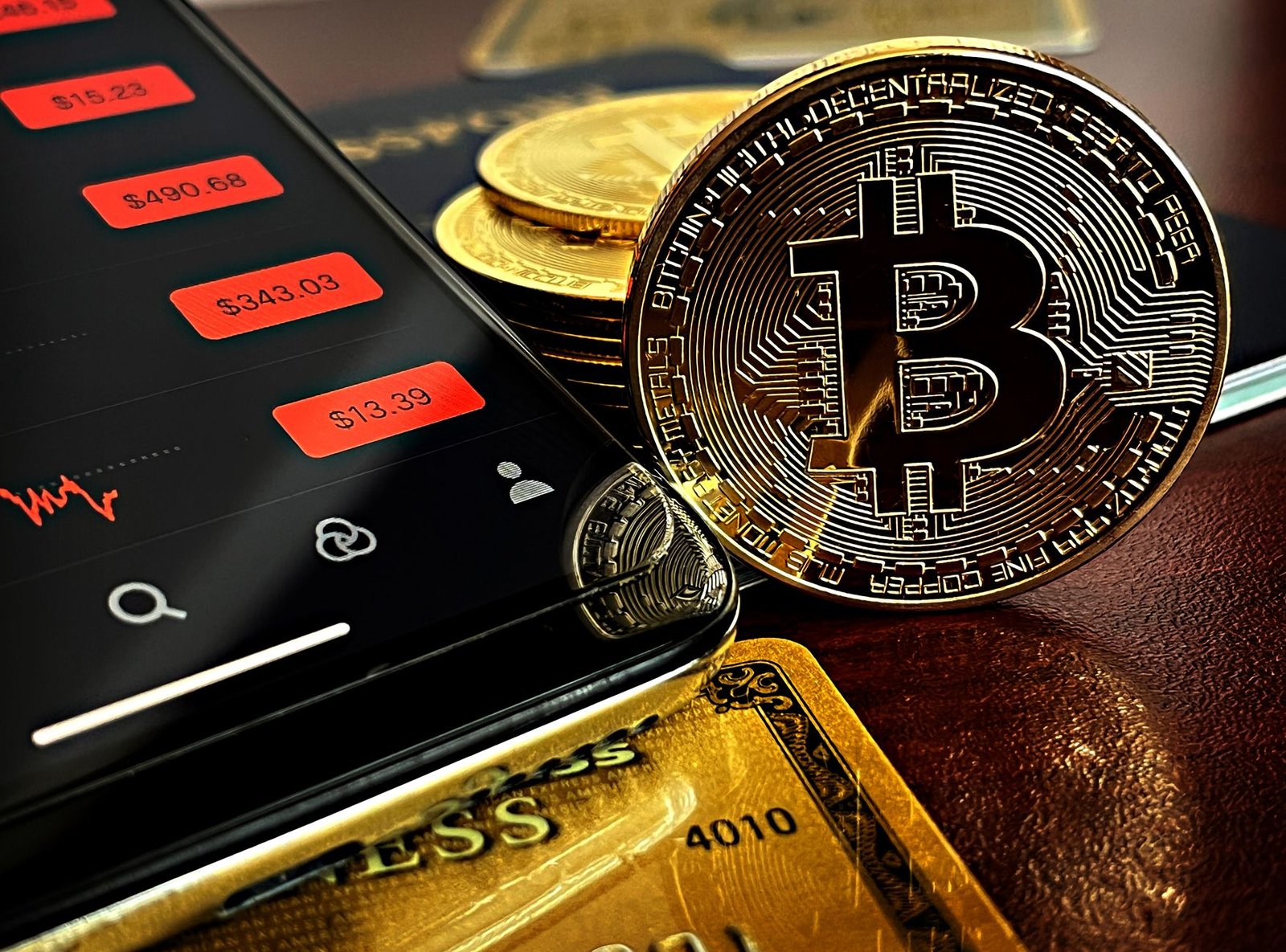
Discover how blockchain poker rooms operate, from tokenized rake structures to liquidity pools, and learn to navigate the risks effectively.
The intersection of digital assets and card rooms has matured far beyond simple novelty experiments. When players search for the best crypto poker sites today, they are no longer just looking for a platform that accepts Bitcoin as a quirky alternative to Visa. They are navigating a complex ecosystem of decentralized ledgers, proprietary client software, tokenized rake structures, and opaque liquidity pools. Understanding how these platforms operate requires stripping away the marketing gloss to examine the actual mechanics governing blockchain-powered card games.
Traditional online poker relied on centralized databases, fiat payment processors, and rigid banking relationships. In contrast, modern crypto poker sites leverage blockchain technology to alter the fundamental ledger of transactions. However, a crucial distinction must be made between platforms that simply accept cryptocurrencies for deposits and those built natively around decentralized infrastructure. Native platforms often utilize smart contracts for escrow and provably fair algorithms for shuffling, yet the heavy lifting of high-frequency ring games and massive multi-table tournaments still typically runs on centralized servers for speed.
Software performance remains a primary battleground. While legacy giants like PokerStars spent decades refining client stability, many newer crypto-centric rooms experience latency spikes, suboptimal mobile optimization, and interface bugs. Players migrating from traditional environments often notice discrepancies in hand history tracking tools and HUD compatibility. Evaluating a platform’s software requires examining its server stability during peak Sunday tournament hours rather than judging it by its sleek landing page animations.
Liquidity is the lifeblood of any online card room. A site can feature cutting-edge crypto poker software and instant blockchain payouts, but if tables sit empty during off-peak hours, the platform fails as a viable grind space. Many boutique crypto rooms attempt to solve this through aggressive promotional campaigns, deposit bonuses, and token rewards. However, the health of a poker ecosystem depends on the balance between professional grinders and recreational depositors.
An emerging trend involves private crypto poker clubs managed via apps like ClubGG or decentralized communities. These clubs operate on a decentralized agency model, where rake and balances are handled via stablecoins like USDT or native tokens behind closed doors. While this offers unprecedented privacy and custom game structures, it introduces counterparty risk. Players are trusting club administrators rather than regulated corporate entities with their bankrolls, making due diligence within Discord and Telegram communities absolutely vital.
The primary draw for players utilizing crypto poker sites is financial friction reduction. Traditional wire transfers and credit card deposits often face processing blocks, high fees, and painful delays. Bitcoin, Ethereum, and stablecoins bypass these traditional gatekeepers. Yet, transaction costs fluctuate wildly based on network congestion. A player grinding micro-stakes who deposits via Ethereum during a network surge might lose a significant percentage of their bankroll simply to gas fees. Consequently, savvy players increasingly prefer layer-2 solutions, Solana, or Polygon-based integrations for rapid, low-cost bankroll management.
Fast crypto poker withdrawals represent a double-edged sword. While instantaneous cashouts eliminate the anxiety of waiting days for an ACH transfer, they remove psychological friction for players prone to tilt. The ability to deposit and withdraw within minutes can accelerate destructive financial behaviors if strict bankroll management disciplines are not enforced. Security extends beyond the poker client; players must secure their personal hot and cold wallets against sophisticated phishing attacks targeting the crypto gaming niche.
The rise of crypto poker no kyc platforms has democratized access, allowing players from restrictive jurisdictions to participate without submitting passport scans or utility bills. Anonymity is a powerful feature for privacy advocates, but it carries inherent structural risks. Without Know Your Customer protocols, platforms lack traditional accountability mechanisms if a dispute arises. Regulatory bodies in Malta, Curacao, or Kahnawake struggle to oversee operations that function entirely on pseudonymous wallet addresses and decentralized nodes.
Furthermore, game integrity takes on a different dimension in anonymous ecosystems. Collusion, chip-dumping, and bot rings can exploit anonymous tables more easily than regulated, verified player pools. Security teams at reputable crypto poker sites deploy advanced device-fingerprinting and behavioral analysis algorithms to counter these threats, but the burden of vigilance ultimately shifts heavier onto the player.
Legality depends entirely on your jurisdiction. While blockchain transactions operate globally, local gambling laws apply to the end user. It is essential to research the specific regulatory framework of your region before depositing funds.
Stablecoins like USDT or USDC are generally preferred because they eliminate cryptocurrency price volatility during sessions. For faster and cheaper native network transfers, Solana and Polygon-based assets are increasingly common.
Provably fair systems use cryptographic hashing to ensure that neither the platform nor the player can manipulate the deck shuffle. Players can independently verify the integrity of each hand after it completes.
Many crypto poker sites operate on a no-KYC basis, allowing you to play using only a crypto wallet address without submitting personal identification documents.
Private clubs managed via messaging apps carry counterparty risk. Since these games are not hosted on traditional regulated platforms, you rely entirely on the club administrator’s honesty to cash out your winnings.
Crypto withdrawals typically process within minutes to a few hours, depending on network congestion and the platform’s automated approval systems, vastly outperforming traditional banking methods.
Yes, most crypto poker sites offer competitive deposit match bonuses, rakeback deals, and freeroll tournaments, often paid out in native platform tokens or Bitcoin.
Evaluating the landscape of blockchain card rooms requires looking past the hype of instant payouts and token incentives to assess the foundational security, software reliability, and liquidity health of each ecosystem. As the technology underpinning these platforms continues to evolve, the distinction between traditional and crypto-native gaming will continue to blur, rewarding players who prioritize fundamental strategy and operational due diligence over novelty features.