Physical Address
304 North Cardinal St.
Dorchester Center, MA 02124
Physical Address
304 North Cardinal St.
Dorchester Center, MA 02124

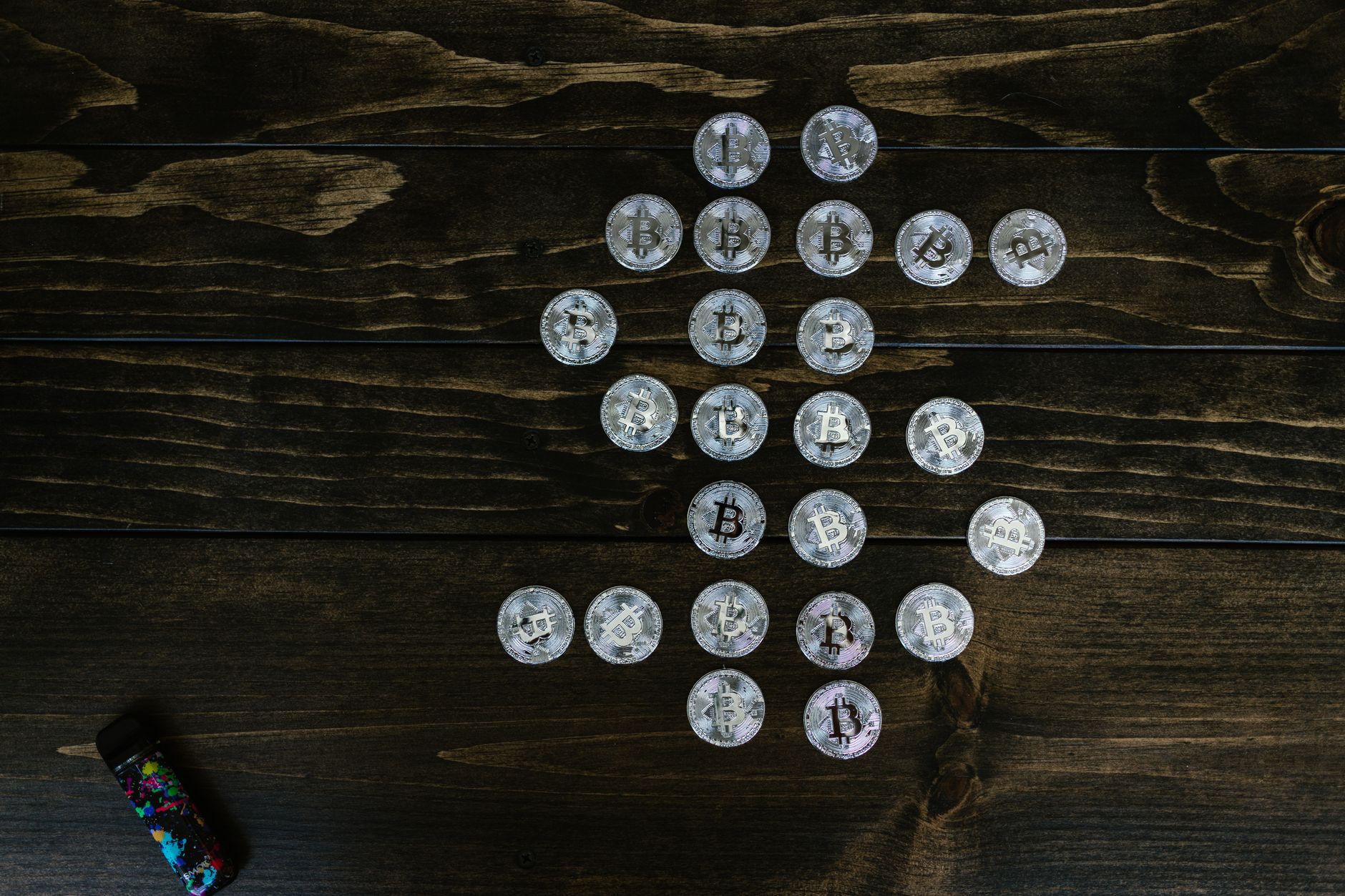
Unlock the future of online poker as we explore how cryptocurrency is revolutionizing security, autonomy, and global access for players worldwide.
The digital felt of online poker has always been a dynamic arena, constantly evolving with technological advancements and shifting player demands. Yet, few shifts have been as profound, or as misunderstood, as the integration of cryptocurrency. Far from being a fleeting trend for early adopters, crypto poker represents a fundamental re-architecture of how online card games operate, challenging established norms and offering a new paradigm of security, autonomy, and global accessibility. This isn’t just about using Bitcoin to buy chips; it’s about a complete reimagining of the trust mechanisms, transaction flows, and even the very identity of the players at the virtual table. As an industry observer with years embedded in both traditional and blockchain gaming ecosystems, the transition to crypto poker isn’t merely an upgrade; it’s a strategic pivot for both operators and serious players.
For decades, online poker’s foundation rested on centralized trust: players relied on operators for fair play, secure funds, and timely payouts. This model, while largely successful, was not without its vulnerabilities, from payment processing bottlenecks to questions of RNG integrity and data privacy. Crypto poker, at its core, emerges as a response to these inherent limitations, offering a decentralized alternative that resonates deeply with a growing segment of the global poker community.
The allure of crypto in poker isn’t merely the novelty of digital assets; it’s rooted in the foundational principles of blockchain technology itself. Decentralization means no single entity holds absolute control over funds or game mechanics. Transparency, often through ‘Provably Fair’ systems, allows players to independently verify the randomness of card shuffles and outcomes, addressing a long-standing trust deficit in traditional online poker. Immutability ensures that once a transaction or game outcome is recorded on the blockchain, it cannot be altered or reversed. This stands in stark contrast to the opaque, often proprietary, systems of legacy poker sites, where trust is a matter of faith in a corporate entity. For a seasoned player, this shift from faith-based trust to verifiable, cryptographic proof is monumental, fundamentally altering the risk profile of online play.
The early adopters of crypto poker were predictably tech-savvy individuals already comfortable with digital currencies. However, the demographic is expanding rapidly. We’re seeing a significant influx of players who prioritize financial sovereignty and data privacy, often having experienced frustrations with traditional banking systems or restrictive regional regulations. This includes a younger, globally distributed audience that views cryptocurrency not as an alternative, but as a primary form of value exchange. Furthermore, the promise of anonymous play attracts those who value discretion, offering a level of privacy unattainable through platforms requiring extensive KYC for every transaction. This isn’t just about ‘Bitcoin poker’ anymore; it’s about ‘USDT poker,’ ‘Ethereum poker,’ and a multitude of other digital assets enabling a truly global, permissionless game.
The practical advantages of integrating crypto into online poker extend far beyond philosophical ideals. They manifest in tangible improvements to the player experience, particularly in the critical areas of security, transaction efficiency, and financial control.
While no system is entirely impervious, blockchain technology introduces a robust layer of security that traditional models struggle to match. By leveraging cryptographic proofs and distributed ledgers, the risk of internal fraud or external manipulation of game outcomes is significantly reduced. Provably Fair algorithms, for instance, allow players to input a seed and verify that the shuffle was truly random, a level of transparency unheard of in traditional RNG systems. Furthermore, the security of funds held in a player’s own crypto wallet (when not actively on a platform) transfers the responsibility and control directly to the player, mitigating risks associated with centralized custodianship. This demands a new level of user vigilance regarding wallet management and private key security, a trade-off many players are willing to make for increased autonomy.
One of the most persistent pain points in traditional online poker has been the often-glacial pace of deposits and, more critically, withdrawals. Bank transfers can take days, credit card chargebacks are a constant headache, and e-wallets often come with their own set of restrictions and fees. Crypto poker bypasses these legacy banking rails entirely. A Bitcoin poker deposit, or one via USDT, can be confirmed within minutes, often seconds, depending on network congestion and the chosen cryptocurrency. More impressively, fast crypto withdrawals are a hallmark of the best crypto poker sites. Players can move significant sums from their poker account back to their personal wallet in a fraction of the time, often with lower transaction fees compared to traditional methods, providing unparalleled liquidity and control over their bankroll. This efficiency isn’t just a convenience; it’s a strategic advantage for players managing their funds across multiple platforms or needing quick access to their winnings.
The core promise of cryptocurrency is financial sovereignty, and in crypto poker, this promise is largely realized. Players deposit and withdraw directly from their personal crypto wallets to the poker platform, eliminating the need for banks, payment processors, or other financial intermediaries that often impose their own rules, fees, and delays. This direct peer-to-peer (or rather, player-to-platform) interaction means players have complete control over their funds until they choose to commit them to a game. For players in regions with strict banking regulations or limited access to international payment options, crypto poker offers a lifeline, opening up global poker rooms and tournaments that were previously inaccessible. This empowerment over one’s own capital is a powerful draw, fundamentally altering the relationship between player and platform.
The landscape of crypto poker is diverse, ranging from dedicated blockchain-native platforms to traditional sites that have simply added crypto payment options. Understanding these nuances is key to finding the right fit for your playstyle.
The market for crypto poker sites is bifurcating. On one hand, you have fully integrated crypto-native platforms like CoinPoker, which operate entirely on blockchain technology, often offering anonymous play, provably fair games, and substantial crypto-denominated tournaments. These platforms attract players deeply invested in the crypto ethos. On the other hand, many established online poker rooms have begun to accept crypto deposits and withdrawals, recognizing the demand from their player base. Beyond these, the rise of online poker clubs and private poker clubs, such as those facilitated by apps like ClubGG and PPoker, has also seen a silent but significant integration of crypto. While the apps themselves might not be blockchain-based, the behind-the-scenes financial settlements between club owners and players often leverage Bitcoin, USDT, or other cryptocurrencies for their speed, low fees, and global reach, creating a hybrid model of crypto poker clubs that thrive on discretion and efficiency.
The game formats available in crypto poker mirror those of traditional sites, but often with a unique twist. You’ll find a full spectrum of cash games across various stakes, from micro-stakes to high-roller tables, denominated in BTC, ETH, or stablecoins. Tournaments are a major draw, with many crypto poker sites hosting guaranteed prize pools often paid out in cryptocurrency, attracting a global field. Some platforms even offer unique crypto-centric events, such as freerolls with crypto prizes or progressive jackpots funded by a portion of transaction fees. The flexibility of crypto allows for innovative game structures and bonus schemes that might be more cumbersome to implement with fiat currencies.
The intersection of poker, blockchain, and the broader gaming world is birthing new concepts like play-to-earn (P2E) crypto poker and NFT poker. Projects like Ice Poker (Decentraland) or Poker Heroes (NFT avatars with in-game utility) are exploring models where players can earn cryptocurrency or valuable NFTs through gameplay, ownership of digital assets, or contributing to the ecosystem. While still nascent, these developments hint at a future where poker isn’t just about winning chips, but about building a digital identity, owning in-game assets, and participating in a broader metaverse economy. This represents a significant evolution from traditional online poker, offering new incentives and engagement models for players.
While the advantages are compelling, navigating the crypto poker landscape requires a heightened awareness of specific risks and best practices. This isn’t a set-and-forget environment; it demands active engagement and informed decision-making.
The responsibility for securing funds in the crypto world largely rests with the individual. Choosing the right wallet is paramount: hardware wallets for long-term storage and significant sums, reputable software wallets for active play. Understanding seed phrases, private keys, and the importance of never sharing them is non-negotiable. Furthermore, grasping transaction fees (gas fees) and network congestion for different cryptocurrencies is crucial. A Bitcoin transaction might be slow and costly during peak times, while a USDT transaction on a faster chain like Tron or Polygon could be nearly instant and very cheap. Mismanaging these aspects can lead to lost funds or frustrating delays, turning a fast crypto withdrawal into a headache.
One of the most significant differences between traditional and crypto poker is the inherent volatility of many cryptocurrencies. Playing with Bitcoin means your bankroll’s fiat value can fluctuate significantly even while you’re at the table. A winning session could see its value eroded by a market downturn, or conversely, amplified by an upturn. This introduces an additional layer of risk and reward. To mitigate this, many players opt for stablecoin poker (e.g., USDT poker), where their bankroll’s value is pegged to a fiat currency like the US dollar, offering stability while retaining the benefits of blockchain transactions. Strategic insight here involves choosing the right currency for your risk tolerance and bankroll management approach.
The regulatory landscape for cryptocurrency is a patchwork of varying rules and interpretations across jurisdictions. While some crypto poker sites boast ‘no KYC’ (Know Your Customer) policies, others, especially those seeking broader legitimacy, implement stringent identity verification processes. This creates a tension between the blockchain’s promise of anonymity and the increasing pressure for regulatory compliance to combat money laundering and illicit activities. Players must understand the KYC requirements of their chosen platform and be aware of the legal implications in their own country. The ability to play poker with crypto anonymously is a powerful feature, but it’s one that operates within an evolving legal framework.
The speed and ease of crypto transactions, coupled with the potential for anonymity, can present unique challenges for responsible gaming. Fast deposits and withdrawals mean players have quicker access to funds, which, for some, could exacerbate problematic gambling behaviors. While platforms are increasingly implementing self-exclusion and deposit limit tools, the decentralized nature of crypto means players bear a greater personal responsibility for managing their play. Industry observation suggests that robust self-awareness and disciplined bankroll management are even more critical in the crypto poker environment, emphasizing the need for personal accountability in this new frontier.
The journey of crypto poker is far from over. It’s an evolving space, constantly pushing the boundaries of what’s possible in online gaming. The next few years promise even more sophisticated integrations and innovations.
Future developments in crypto poker software will likely focus on even more seamless integration of blockchain technology. We can anticipate more advanced AI-driven anti-collusion systems, leveraging the transparency of blockchain data to detect suspicious play patterns. User interfaces and user experiences will continue to improve, making crypto deposits and withdrawals as intuitive as traditional methods. Furthermore, the evolution of ‘Provably Fair’ systems will likely move towards more sophisticated, perhaps even zero-knowledge proof-based, methods, offering even greater cryptographic assurances of game integrity without revealing unnecessary data. This continuous refinement of crypto poker software is crucial for mainstream adoption.
As cryptocurrency gains broader acceptance and regulatory clarity improves, the barrier to entry for the average poker player will diminish. Major online poker brands that have historically been hesitant are increasingly exploring deeper integrations, moving beyond mere payment options to embrace the core tenets of blockchain. Institutional interest, perhaps in the form of sponsorships or partnerships, will lend further credibility to the space. The long-term trajectory suggests that crypto poker won’t remain a niche, but will eventually become a significant, if not dominant, segment of the global online poker market, attracting a much wider audience beyond the crypto-native community.
Crypto poker is not an isolated phenomenon; it’s an integral part of the burgeoning blockchain gaming ecosystem. As metaverses, NFTs, and play-to-earn models mature, poker will find new ways to integrate. Imagine using a single NFT avatar across multiple blockchain games, including poker, or earning tokens at the poker table that have utility in other decentralized applications. The potential for cross-platform assets, shared economies, and interconnected gaming experiences is immense. This broader vision positions crypto poker not just as a game, but as a gateway to a more expansive, player-owned digital entertainment universe.
The landscape of online poker is undeniably shifting, and cryptocurrency is the primary catalyst. It’s a complex, yet exhilarating, evolution that demands a new level of player education and platform innovation. For those willing to embrace its intricacies, crypto poker offers a compelling vision of a more secure, transparent, and player-centric future for the game we love. It’s a testament to the enduring appeal of poker, adapting and thriving in the decentralized age, promising not just a new way to play, but a fundamentally different relationship with the game itself.
The legality of crypto poker depends heavily on your jurisdiction and the specific platform’s licensing. Some countries have clear regulations, while others do not. From a security standpoint, reputable crypto poker sites leverage blockchain’s inherent security features (like provably fair systems) and robust encryption. However, players are responsible for securing their own crypto wallets and understanding the risks associated with cryptocurrency volatility. Always choose licensed and well-reviewed platforms.
The most common cryptocurrencies accepted are Bitcoin (BTC), Ethereum (ETH), Litecoin (LTC), and various stablecoins like USDT (Tether) and USDC. Many sites are expanding to include other popular altcoins. Stablecoins are often preferred by players seeking to avoid the volatility of other cryptocurrencies while still benefiting from blockchain transaction speeds.
Deposits involve sending cryptocurrency from your personal crypto wallet to the poker site’s designated wallet address. Withdrawals work in reverse: you request a payout from the poker site to your personal crypto wallet address. Both processes are typically much faster than traditional banking methods, often completing within minutes or hours, depending on network congestion and the specific cryptocurrency.
A ‘Provably Fair’ system uses cryptographic hashing to allow players to verify that the game’s outcome (e.g., card shuffle, dice roll) was truly random and not manipulated. Before a game, the server generates a hashed seed. After the game, the server reveals the original seed, which players can then use, along with their own client seed, to verify the outcome independently. This ensures transparency and builds trust.
Some crypto poker sites offer ‘no KYC’ (Know Your Customer) options, allowing for a higher degree of anonymity than traditional platforms. However, this is becoming less common as regulatory pressures increase globally. Even on ‘no KYC’ sites, large withdrawals might trigger identity verification. Always check the platform’s specific terms and conditions regarding KYC and privacy.
If you play with volatile cryptocurrencies like Bitcoin or Ethereum, the fiat value of your bankroll can fluctuate based on market prices. For example, if Bitcoin’s price drops, your bankroll’s value in USD will decrease, even if your chip count remains the same. To mitigate this, many players opt to play with stablecoins (e.g., USDT poker) whose value is pegged to a fiat currency.
Yes, many crypto poker sites offer competitive bonuses and promotions, including welcome bonuses, deposit bonuses (often matching a percentage of your crypto deposit), freerolls with crypto prizes, and loyalty programs. These are often structured similarly to traditional poker bonuses but are denominated and paid out in cryptocurrency.
Crypto poker clubs are often private online poker communities or groups that use platforms like ClubGG or PPoker, but handle their financial transactions (deposits, withdrawals, rake settlements) exclusively or predominantly using cryptocurrencies. This allows for faster, more discreet, and globally accessible financial operations for these private games, bypassing traditional banking systems.
Article Word Count: 1987