Physical Address
304 North Cardinal St.
Dorchester Center, MA 02124
Physical Address
304 North Cardinal St.
Dorchester Center, MA 02124

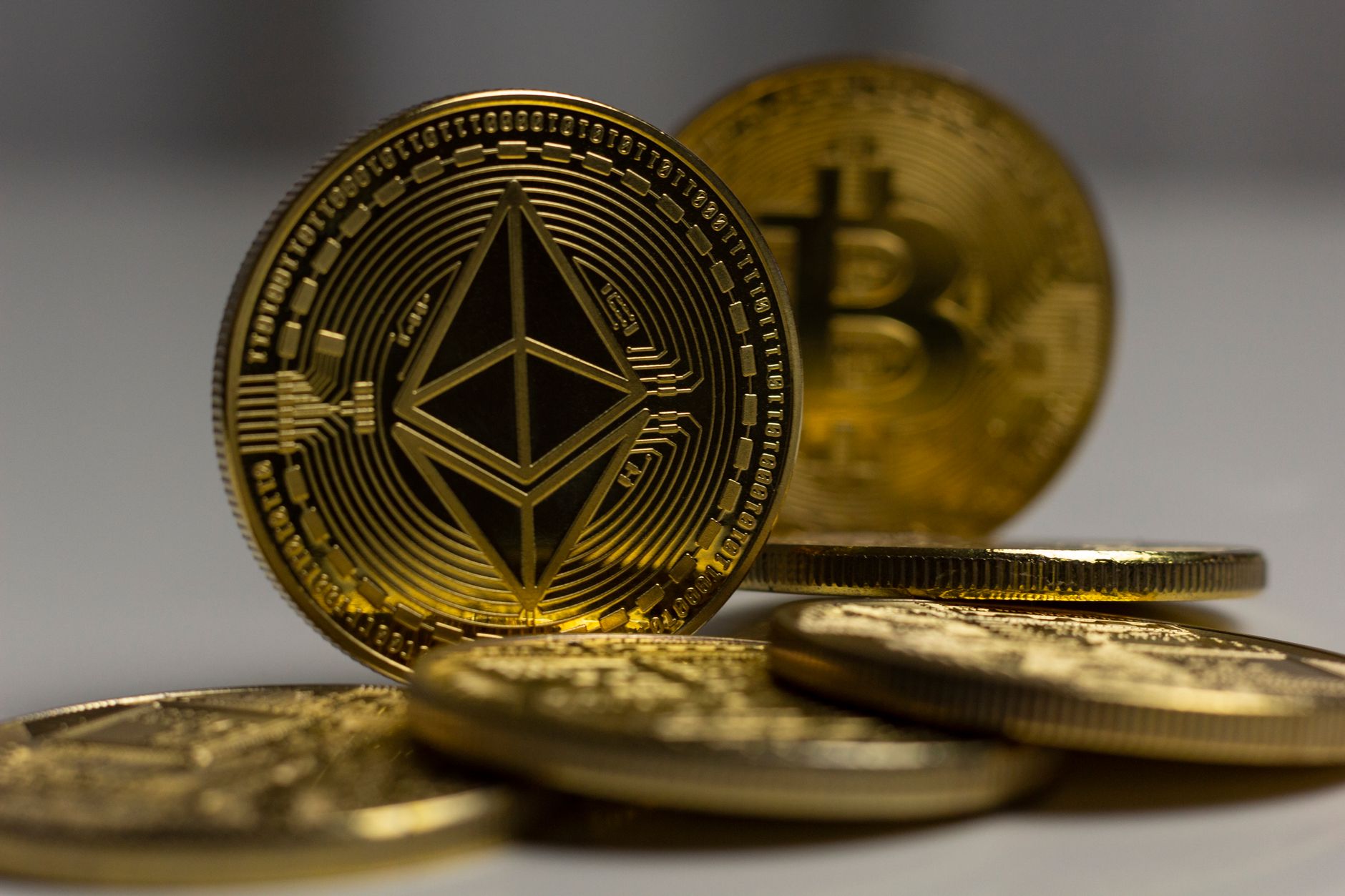
Discover how crypto poker offers strategic advantages and reshapes the future of online play beyond traditional banking.
The landscape of online poker has undergone a seismic shift, quietly but profoundly reshaped by the advent of blockchain technology and digital currencies. What began as a niche curiosity for early adopters has rapidly evolved into a significant segment of the global poker scene, offering a distinct set of advantages and challenges that traditional platforms simply cannot match. For players and industry observers alike, understanding the intricacies of crypto poker is no longer optional; it’s essential for navigating the future of the game. This isn’t merely about using Bitcoin for deposits; it’s about a fundamental rethinking of how poker can be played, governed, and experienced, pushing the boundaries of what’s possible in a digital ecosystem.
The allure of playing poker with crypto extends far beyond mere novelty. It addresses several pain points that have plagued traditional online poker for years, particularly concerning financial transactions, privacy, and operational transparency. Players, especially those in regions with restrictive banking regulations or those seeking greater control over their funds, have flocked to crypto poker sites. This isn’t just a trend; it’s a structural pivot driven by the inherent properties of blockchain technology.
One of the most compelling advantages of crypto poker is the unparalleled freedom it offers in financial transactions. Traditional online poker rooms often grapple with a labyrinth of international banking regulations, leading to slow processing times, high fees, and sometimes outright rejection of transactions. With Bitcoin poker, USDT poker, and other cryptocurrencies, these barriers largely disappear. Deposits and withdrawals are processed directly on the blockchain, often within minutes, and with significantly lower fees compared to conventional banking methods or e-wallets. This efficiency is a game-changer for players globally, enabling seamless access to games regardless of their geographical location. From a player experience standpoint, the ability to make fast crypto poker withdrawals without bureaucratic hurdles is a powerful incentive, fostering trust and reducing frustration. The immediate settlement capability of blockchain payments means players have quicker access to their winnings, a crucial factor in an industry where liquidity and trust are paramount.
The promise of anonymous play is a significant draw for many entering the crypto poker space. While true anonymity is a complex topic, many crypto poker sites offer a higher degree of privacy than their traditional counterparts, particularly those operating under a no-KYC (Know Your Customer) policy for smaller transactions. This allows players to engage in poker with crypto without divulging extensive personal information, which can be appealing for various reasons, including personal security and avoiding data tracking. However, this privacy isn’t absolute. Larger withdrawals or specific regulatory requirements might still trigger KYC checks, even on platforms that otherwise boast a no-KYC approach. Furthermore, while the blockchain itself is transparent (every transaction is recorded), the identity linked to a wallet address remains pseudonymous. This delicate balance between privacy and accountability is a defining characteristic of the crypto poker ecosystem, creating both opportunities and potential pitfalls for players who might misunderstand its limitations.
Blockchain technology, by its very nature, offers enhanced security and transparency that traditional poker software struggles to replicate. The distributed ledger ensures that all transactions are immutable and verifiable, significantly reducing the risk of fraud or manipulation. For crypto poker clubs and online poker rooms, this translates into a more secure operational environment. Beyond transactions, some platforms are exploring ways to leverage blockchain for provably fair gaming, where the randomness of card shuffles or game outcomes can be verified independently by players. This level of transparency is a powerful antidote to long-standing player skepticism about the fairness of online poker algorithms. While no system is entirely impervious, the cryptographic security underpinning blockchain provides a robust framework that instills greater confidence in the integrity of the game, a critical factor for attracting and retaining players in the competitive online poker market.
The burgeoning crypto poker market is a diverse landscape, ranging from established platforms that have integrated crypto to innovative, blockchain-native poker crypto games. Understanding the nuances between these options is key for any player looking to dive into playing poker with crypto.
When searching for the best crypto poker sites, players will encounter a spectrum of options. Dedicated crypto poker rooms, such as CoinPoker, are built from the ground up to operate exclusively with cryptocurrencies. These platforms often embrace the full ethos of decentralization, offering unique features like native tokens, staking opportunities, and community governance models. Their entire operational framework is designed around blockchain principles, often leading to a more streamlined crypto-centric experience. On the other hand, many established online poker rooms have adopted a hybrid model, integrating crypto deposit and withdrawal options alongside traditional fiat methods. Sites like Ignition Poker, for instance, have become popular for players looking to use Bitcoin or other cryptocurrencies for convenience. The choice between these two often comes down to a player’s comfort level with crypto, their desire for anonymity, and the specific features they prioritize. Dedicated sites might offer a purer crypto experience, while hybrid platforms provide a bridge for those transitioning from traditional poker.
A significant trend within the crypto poker space, mirroring broader shifts in online poker, is the proliferation of private poker clubs. Platforms like ClubGG, PPPoker, and PokerBros have created ecosystems where individuals can host private games, often with agents facilitating buy-ins and cashouts. When combined with crypto, these clubs offer an even greater degree of flexibility and discretion. Players can join private poker clubs that accept crypto, facilitating anonymous play and quick transfers of funds. This model appeals to communities looking for a more intimate, controlled environment away from the larger, more regulated public rooms. The development of crypto poker clubs has opened new avenues for social poker and custom game formats, but it also introduces unique considerations around trust and agent reliability, as these operations often exist in a regulatory grey area. For those engaged in crypto poker club development, balancing user experience with robust security and reliable payment processing is a constant challenge.
Engaging with crypto poker necessitates a fundamental understanding of how these platforms handle funds. The first step is usually acquiring cryptocurrency, typically Bitcoin (BTC) or USDT, from a reputable exchange. Players then transfer these funds from their personal crypto wallet (cold or hot storage, depending on preference and security needs) to the poker site’s designated deposit address. The best wallets for crypto poker are those that balance security with ease of use, like hardware wallets for cold storage or trusted software wallets for everyday transactions. Fast crypto poker withdrawals are a key selling point, often completed within minutes to a few hours, depending on network congestion and the platform’s internal processing. However, players must be mindful of network transaction fees, which can fluctuate. Secure crypto poker rooms prioritize robust encryption, two-factor authentication, and transparent policies to protect player funds and data. Understanding the intricacies of crypto poker deposit and withdrawal mechanisms, including potential minimums, maximums, and any associated fees, is crucial for a smooth and secure gaming experience.
Beyond the technical aspects, playing poker online with crypto introduces a unique set of strategic and behavioral considerations that distinguish it from traditional online poker.
Just like their fiat counterparts, crypto poker sites offer a variety of tournaments, from daily freerolls and sit-and-gos to larger guaranteed crypto poker tournaments. Many platforms also entice new players with crypto poker bonus codes, offering deposit matches or rakeback schemes paid out in cryptocurrency. These bonuses can be quite lucrative, but players must carefully read the terms and conditions, as wagering requirements and redemption rules can vary significantly. The competitive landscape means that the best crypto poker online platforms are constantly innovating with their loyalty programs and promotional offers to attract and retain players. Savvy players will leverage these bonuses to maximize their bankroll, but always with an eye on the underlying value of the cryptocurrency itself. For instance, a bonus paid in a volatile altcoin might offer greater upside but also carries more risk than one paid in a stablecoin like USDT.
Effective wallet management is paramount in crypto poker. Unlike traditional bank accounts, players are often entirely responsible for the security of their crypto wallets. Losing a private key means losing access to funds, with no bank or institution to recover them. This necessitates rigorous security practices, including using strong, unique passwords, enabling two-factor authentication, and backing up seed phrases securely. Beyond technical security, responsible gaming practices are equally vital. The ease and speed of crypto transactions can sometimes lead to impulsive play. Many reputable crypto poker sites offer tools for self-exclusion, deposit limits, and time-out periods. Players must proactively utilize these features and maintain a disciplined approach to their bankroll, recognizing the inherent volatility of the crypto market itself as an additional layer of risk not present in fiat poker. Responsible gaming in crypto poker demands not just financial discipline but also a deep understanding of blockchain security principles.
One of the most significant differences when playing poker with crypto is the inherent volatility of digital assets. A player’s bankroll, if held in Bitcoin or Ethereum, can fluctuate significantly in value even while they are playing. This adds a layer of complexity to bankroll management that traditional poker players don’t face. While stablecoins like USDT mitigate this risk, they are not entirely immune to broader market and regulatory pressures. Furthermore, the regulatory landscape for crypto poker remains fragmented and, in many regions, undefined. This creates a degree of uncertainty for both operators and players. Understanding the legal status of online crypto poker in one’s jurisdiction is crucial, as is recognizing the potential for evolving regulations to impact access or operational models. This dynamic environment requires players to stay informed and exercise caution, especially when dealing with newer or less established platforms.
The innovation doesn’t stop at simply accepting crypto for deposits. The deeper implications of blockchain technology are poised to reshape the very fabric of online poker, ushering in new models of ownership, engagement, and value creation. The best crypto poker sites are already exploring these frontiers, hinting at a future far more integrated with Web3 principles.
The concept of NFT poker is an emerging frontier. Imagine owning a unique, verifiable digital asset – an NFT – that represents your avatar, a special tournament entry, or even a share in a poker club’s revenue. These NFTs could confer exclusive benefits, access to private games, or even staking opportunities within a play-to-earn crypto poker ecosystem. This paradigm shift moves beyond simple in-game cosmetics to true digital ownership, where players can buy, sell, and trade their poker-related assets on open marketplaces. The development of crypto poker software to integrate NFTs is still in its early stages, but it promises a richer, more engaging player experience, blurring the lines between gaming and digital asset investment. Poker heroes crypto projects are beginning to emerge, offering collectible NFTs that could grant utility within specific poker metaverses.
The play-to-earn (P2E) model, popularized by blockchain games, is increasingly being explored in the context of poker. In a P2E crypto poker game, players could earn cryptocurrency or NFTs not just by winning at the tables, but also through participation, completing challenges, or contributing to the platform’s ecosystem. This model could incentivize consistent play, community building, and even skill development, offering tangible rewards beyond traditional prize pools. While the economic sustainability of P2E models is still being refined across the blockchain gaming industry, its application to poker holds immense potential to attract a new generation of players and create novel revenue streams for operators. Imagine a scenario where a crypto poker tournament offers not just a cash prize but also unique, tradable NFTs that appreciate in value, or where players earn small amounts of a platform’s native token simply by playing a certain number of hands each day. This fusion of gaming and decentralized finance (DeFi) represents a compelling vision for the evolution of crypto poker development.
A1: Yes, reputable crypto poker sites employ advanced security measures like SSL encryption, two-factor authentication, and secure cold storage for funds. However, the safety also depends on the player’s wallet security practices and the platform’s trustworthiness. Always choose secure crypto poker rooms with a proven track record.
A2: The most common cryptocurrencies accepted are Bitcoin (BTC) and Tether (USDT). Many sites also support Ethereum (ETH), Litecoin (LTC), Bitcoin Cash (BCH), and sometimes other altcoins like Tron (TRX) or Dogecoin (DOGE). Some dedicated crypto poker sites might even have their own native tokens.
A3: After requesting a withdrawal, the poker site processes the transaction on the blockchain. Funds are sent from the site’s wallet directly to your personal crypto wallet address. Fast crypto poker withdrawals typically complete within minutes to a few hours, depending on network congestion and the site’s processing times.
A4: Many crypto poker sites offer a higher degree of privacy, especially for smaller transactions, sometimes without requiring extensive KYC. However, true anonymity is complex, and larger withdrawals or specific regulatory requirements might still trigger identity verification. Your wallet address is pseudonymous, not fully anonymous.
A5: Absolutely. Many best crypto poker sites offer lucrative bonuses, including deposit matches, freerolls, rakeback, and loyalty programs specifically for crypto users. Always check the terms and conditions for wagering requirements and redemption details.
A6: Key advantages include faster and cheaper transactions (deposits and withdrawals), enhanced privacy, greater accessibility for players in restricted regions, and improved security and transparency through blockchain technology. It also opens doors to innovative features like NFT integration and play-to-earn models.
A7: The primary risks include cryptocurrency price volatility, the need for robust personal wallet security (as you are your own bank), and the evolving regulatory landscape which can impact access or operations. Always choose reputable platforms and practice responsible gaming.
The journey of crypto poker is still unfolding, marked by continuous innovation and adaptation. From the early days of simple Bitcoin transactions to the current exploration of NFT integration and play-to-earn models, the industry is demonstrating a remarkable capacity for growth and evolution. For those who understand its unique dynamics, crypto poker offers not just a new way to play, but a vibrant, forward-thinking ecosystem that is actively shaping the next chapter of online gaming. As the digital economy matures, the convergence of blockchain technology and strategic card play will undoubtedly continue to carve out an increasingly prominent role, challenging traditional paradigms and rewarding those willing to embrace its distinct opportunities and responsibilities.
Article Word Count: 1980