Physical Address
304 North Cardinal St.
Dorchester Center, MA 02124
Physical Address
304 North Cardinal St.
Dorchester Center, MA 02124

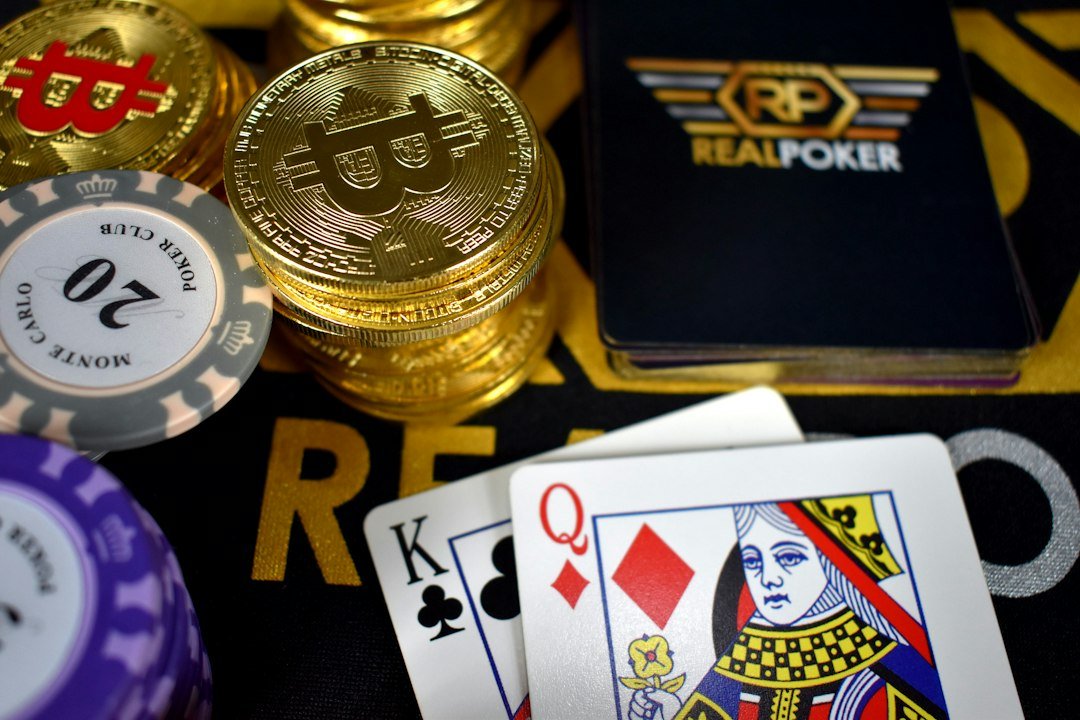
Discover how the best crypto poker sites use blockchain technology to ensure absolute game integrity and secure custody of your funds.
Online poker has always suffered from a fundamental trust deficit. For two decades, players have surrendered their capital to centralized entities, hoping their deposits would not be frozen, their personal data would not be leaked, and the random number generator (RNG) was not secretly feeding hole cards to superuser accounts. The emergence of blockchain technology promised to dismantle this paradigm. Yet, the current ecosystem is not a monolith; it is a complex spectrum ranging from legacy operators retrofitting Bitcoin deposits to pure Web3 protocols running on decentralized smart contracts.
Finding the best crypto poker sites requires looking past surface-level marketing and rakeback promises. It demands an understanding of how these platforms handle custody, verify game integrity, and maintain player liquidity. Whether you are seeking high-stakes cash games with minimal regulatory friction or trying to navigate private clubs utilizing decentralized settlement networks, the underlying mechanics of the platform will determine your long-term safety and profitability.
To evaluate the market objectively, players must distinguish between the three primary architectures powering modern crypto online poker: hybrid rooms, native token ecosystems, and decentralized Web3 protocols.
Hybrid sites are traditional online poker rooms that have integrated crypto payments into their cashier systems. Platforms like Americas Cardroom (WPN) or Ignition Poker operate on legacy centralized software but allow deposits and withdrawals using Bitcoin, Litecoin, and USDT. Once your crypto hits your account, it is instantly converted into USD or a local fiat equivalent. While this shields players from the intra-day volatility of the crypto market during their session, it means you are still trusting a centralized entity with custodial custody of your funds. The games themselves are identical to legacy setups, using traditional server-side RNGs.
Native token rooms, with CoinPoker being the most prominent historical and modern example, use cryptocurrency as the actual chip on the table. Instead of converting your deposit to USD, you play directly in USDT, BTC, ETH, or the platform’s proprietary utility token (such as CHP). These platforms are designed around cryptographic rails from the ground up, offering faster settlement times and lower transactional overhead. Because the platform does not rely on traditional banking systems, they can pass these savings back to players through lower rake structures and highly competitive rakeback programs.
The bleeding edge of the industry belongs to fully decentralized poker protocols. In these ecosystems, smart contracts manage the escrow of buy-ins, and card shuffling is computed via decentralized mental poker protocols. No central server ever holds player funds, and the platform cannot lock your account or halt withdrawals because the assets remain in your non-custodial wallet until a hand or tournament concludes. While this represents the security ideal, these platforms currently struggle with liquidity and user-experience friction, as every action can occasionally require interacting with a blockchain ledger.
One of the primary drivers behind the explosive growth of poker crypto sites is the preservation of privacy. Traditional poker rooms require extensive Know Your Customer (KYC) documentation, including utility bills, passport scans, and source-of-wealth declarations. This creates a massive target for identity thieves and exposes players to arbitrary geographical restrictions.
The best crypto poker sites often operate under a no-KYC or low-friction model. When you play poker with crypto on a truly decentralized or privacy-focused site, your account is tied directly to your public wallet address or a simple email login. This prevents third-party data breaches from compromising your physical identity.
However, players must understand the risk profile of these environments. No-KYC platforms are highly attractive to recreational players seeking privacy, but they also attract bad actors. Without strict identity verification, the burden of preventing collusive play, multi-accounting, and botting falls entirely on the site’s security team and its behavioral detection algorithms. When choosing a platform, you must weigh the convenience of anonymous play against the robustness of the operator’s game integrity protocols.
In traditional online poker, players must take the operator’s word that the deck is shuffled randomly. Skeptics have long pointed to the potential for administrative backdoors, “doom switches,” or flawed RNG algorithms that favor action-inducing boards. Crypto online poker addresses this through cryptographic proof of fairness.
The standard implementation of this is Decentralized RNG. Before a hand begins, the platform’s software, the player’s device, and sometimes other players at the table generate cryptographic seeds. These seeds are combined to determine the shuffle of the deck. Once the hand is completed, the keys to these seeds are published to the blockchain or the local client, allowing any player to retroactively verify that the deck was set in stone before the first card was dealt and that no entity could have manipulated or viewed the deck during play. This mathematical transparency completely eliminates the “rigged” debate that has plagued online poker since its infancy.
Parallel to public crypto poker rooms is the boom of private poker networks operating on apps like ClubGG, PokerBROS, and PPPoker. While these apps themselves are technically play-money platforms, they host massive private clubs that settle balances externally using cryptocurrencies like USDT.
This ecosystem operates on a P2P agent model. Players deposit cryptocurrency with a club manager or agent, who manually credits chips to the player’s app account. When a player wants to cash out, the process is reversed. The advantage of this model is access to incredibly soft, recreational player pools that are insulated from the professional grinders who dominate public networks. The downside is counterparty risk. Because these settlements happen entirely outside the app’s software, you are completely dependent on the honesty of your agent. If an agent defaults or disappears, you have no legal recourse. Serious players in these ecosystems mitigate this risk by only working with highly reputable, collateralized agents and avoiding keeping large balances on the platforms overnight.
To interact with top crypto poker sites safely, you must establish secure wallet habits. The golden rule of crypto poker is never to deposit directly from a centralized exchange (like Coinbase, Binance, or Kraken) to a poker site or an agent’s wallet.
Centralized exchanges monitor transaction destinations closely. Because online gambling sits in a regulatory gray area in many jurisdictions, exchanges will routinely flag and freeze accounts associated with known gambling addresses. Instead, always use a non-custodial wallet as an intermediary.
For EVM-compatible networks, wallets like MetaMask, Rabby, or Trust Wallet are industry standards. If you are playing on Solana-based platforms, Phantom is the preferred choice. For Bitcoin and Litecoin, open-source mobile or desktop wallets like Electrum or BlueWallet provide excellent privacy and fee control. The workflow should always be: Exchange -> Non-Custodial Wallet -> Poker Site, and vice versa for withdrawals. This extra step costs pennies in network fees but preserves your exchange accounts and adds an essential layer of transactional privacy.
One of the clearest advantages of crypto poker vs traditional poker is the speed of capital movement. On traditional sites, credit card deposits can fail, and bank wires or paper checks can take weeks to clear, often accompanied by predatory conversion fees.
With best online crypto poker platforms, withdrawals are measured in minutes. However, you must pay attention to network congestion and transaction fees. Depositing and withdrawing in Bitcoin can become expensive during periods of high network activity, with transaction fees sometimes spiking to $20 or more. For micro and mid-stakes players, this can severely eat into win rates.
To combat this, the best crypto poker sites 2025 support low-fee alternative blockchains. Litecoin (LTC) remains a favorite for poker players due to its lightning-fast confirmation times and sub-cent fees. Polygon (MATIC), Solana (SOL), and stablecoin settlements on TRON (TRX) or Arbitrum are also highly popular, allowing players to move thousands of dollars across networks instantly for fractions of a penny. Utilizing these low-fee networks is a critical strategic adjustment for managing your bankroll efficiently.
The economics of online poker are determined by rake—the small percentage of every pot that the house takes for hosting the game. Traditional sites often charge a high rake (typically 5% capped at $3 to $5 per hand) to cover their massive payment processing and regulatory compliance overhead.
Because crypto-native sites bypass these legacy costs, they can offer significantly more player-friendly pricing structures. When looking for the best online crypto poker rooms, look beyond the headline-grabbing sign-up bonuses, which are often difficult to clear. Instead, focus on the flat rakeback percentages and loyalty programs. Many leading crypto poker sites offer up to 50% or even 60% rakeback, paid out daily directly to your account. For high-volume players, a difference of 20% in rakeback can represent the margin between a losing month and a highly profitable one.
As we observe the trajectory of the online poker ecosystem, it is clear that the integration of digital assets is no longer a niche feature but an evolutionary necessity. The next phase of development lies in the integration of zero-knowledge proofs (ZKP). This technology will allow players to prove their hand’s validity to the smart contract without ever revealing the actual cards to the server, creating an absolutely un-hackable, private gaming experience. Furthermore, the gamification of poker through NFT integrations and play-to-earn elements continues to experiment with new liquidity models, though sustainable tokenomics remains a challenge that few platforms have mastered. Players who adapt to these technological shifts now, mastering self-custody and understanding the underlying cryptographic systems, will find themselves at a distinct advantage in the global, borderless poker arenas of tomorrow.
The legality of crypto poker depends entirely on your local jurisdiction. In general, playing poker with cryptocurrency occupies a legal gray area in many regions. Because crypto is often not classified as legal tender, many platforms can bypass traditional online gambling restrictions. However, you should always consult your local laws regarding online gaming and cryptocurrency ownership before playing.
Fund security depends on the platform’s architecture. On hybrid and native-token sites, your funds are custodial, meaning you rely on the site’s honesty and solvency. On fully decentralized Web3 poker sites, your funds stay in your private wallet or are held in auditable smart contract escrows, making them far more secure. To minimize risk, never store more money on any poker site than you can afford to lose, and withdraw your winnings frequently.
Yes, many of the best crypto poker sites offer complete anonymity, allowing you to sign up, deposit, play, and withdraw without submitting personal identification documents. However, some platforms may trigger KYC checks if they detect suspicious activity, potential multi-accounting, or if you request unusually large withdrawals.
When you play poker with Bitcoin (BTC), your table chips fluctuate in value based on the highly volatile crypto market. A winning session can be wiped out in fiat terms if BTC drops in value, or vice versa. Playing with stablecoins like USDT (Tether) pegs your chips directly to the US Dollar, giving you a stable, predictable balance while still retaining all the fast transaction benefits of blockchain networks.
While cryptographic RNGs prove the card shuffling is fair, bots and collusion remain challenges in all online poker, including crypto rooms. The best crypto poker sites combat this by employing sophisticated behavioral analysis AI, tracking mouse movements, timing tells, and hand history anomalies to identify and ban automated accounts and collaborative play rings.
Litecoin (LTC) and stablecoins (like USDT on the Polygon, Arbitrum, or Tron networks) are generally the best options. They offer near-instant transaction speeds and fees that are usually less than a few cents, ensuring you do not lose a portion of your bankroll to high network fees during transfer.
Yes, in most jurisdictions, profits derived from crypto poker are subject to capital gains or income taxes. Because crypto transactions are recorded on a public ledger, tax authorities are increasingly sophisticated in tracking wallet addresses. It is highly recommended to keep detailed records of your deposits, withdrawals, and session results for tax reporting purposes.
The shift toward decentralized and crypto-enabled gaming represents a profound democratization of online poker. By eliminating predatory payment processors, bypassing arbitrary geographic blockades, and introducing verifiable mathematical fairness to card shuffling, blockchain technology directly addresses the historical pain points of the digital card player. However, the sovereign nature of cryptocurrency means that the responsibility of security shifts heavily to the individual. Mastering wallet hygiene, understanding the structural differences between custodial and non-custodial rooms, and meticulously evaluating the liquidity of your chosen platform are the true prerequisites for navigating this modern frontier. As the borderless poker landscape continues to mature, players who combine sharp strategic execution at the tables with an acute understanding of Web3 security will find themselves uniquely positioned to thrive in the world’s most lucrative and efficient games.
Article Word Count: 1812